

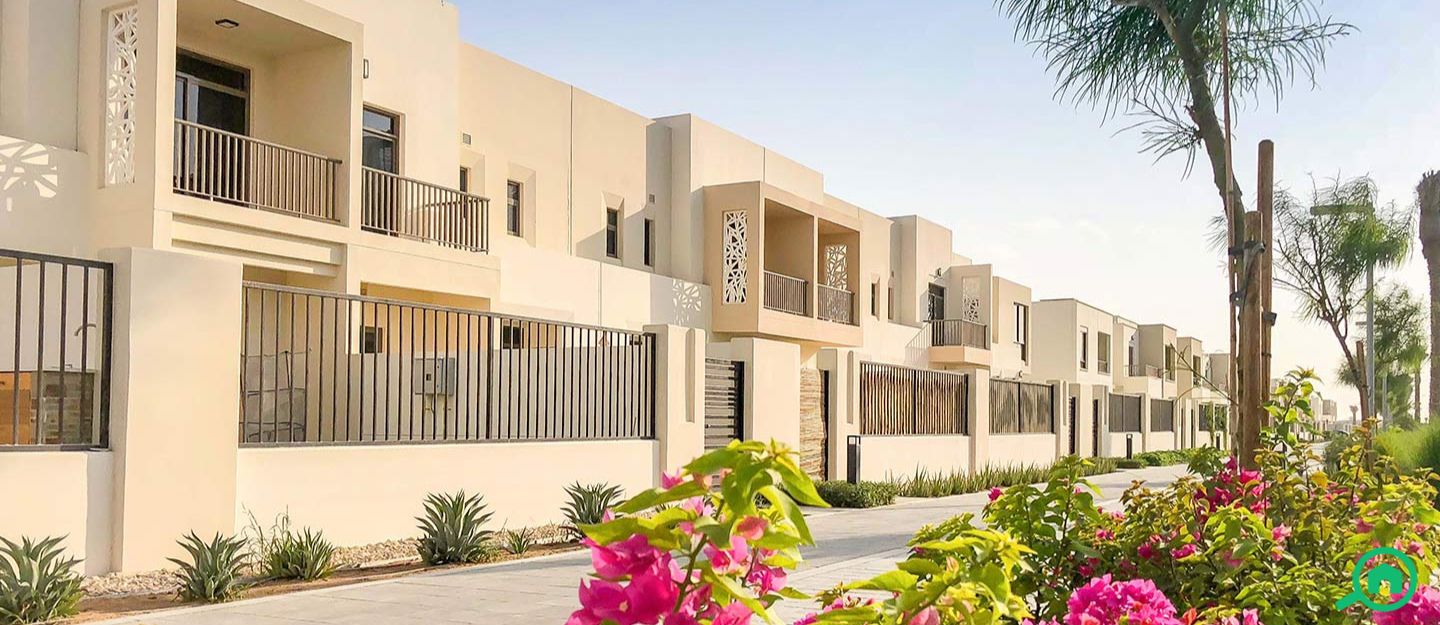
Affordable Property in Dubai is not about choosing the lowest-priced listing—it’s about selecting a home that stays financially comfortable over time. In a city known for premium developments, Dubai still offers many practical housing options for buyers who want quality living, reliable connectivity, and long-term usability. The key is to evaluate affordability as a complete package: the property, the building, the community, and the ongoing costs that follow after purchase.
Understanding What “Affordable” Really Means in Dubai
In Dubai’s property market, affordability should be measured by total ownership comfort, not just the purchase amount. A property is genuinely affordable when it aligns with your budget today and remains manageable in the years ahead.
A professional affordability assessment typically includes:
- The comfort of monthly expenses (home finance costs if applicable, plus ongoing bills)
- Building service charges and what they cover
- Maintenance requirements and long-term condition
- Location convenience and access to daily essentials
- Demand strength for resale or leasing (even if you buy for personal use)
A home may seem affordable upfront but become expensive if the building has high service fees, poor management, or recurring maintenance problems.
Where Affordable Property in Dubai Is Commonly Found
Dubai’s affordability is often driven by supply, planning, and connectivity rather than distance alone. Many value-focused communities offer a strong mix of residential comfort, amenities, and practical access to key areas.
When searching, focus on these patterns:
1) Established apartment communities
Areas with multiple buildings and wide inventory allow better comparisons. Buyers can evaluate different layouts, management standards, and service charges within the same neighborhood and negotiate more confidently.
2) Emerging master-planned districts
Well-planned communities often provide newer infrastructure, cleaner building standards, and modern layouts. If the district has strong public facilities, retail services, and clear community planning, affordability tends to remain stable over time.
3) Connectivity-driven locations
Communities with straightforward access to major roads and transport routes often provide better day-to-day value, especially for working residents. Commute efficiency can matter as much as the property itself.
Instead of choosing a location based only on “popular names,” compare real lifestyle functionality: traffic patterns, nearby supermarkets, clinics, schools, walkability, parking availability, and building environment.
Property Types That Usually Offer Better Value
Affordable Property in Dubai can appear across different property categories. The best type depends on whether you prioritize certainty, flexibility, or long-term positioning.
Ready (completed) homes
Completed properties offer immediate clarity. You can inspect the unit, evaluate the building condition, and confirm the quality of amenities and management before deciding. This is often preferred by buyers who want a safer and more predictable purchase.
Off-plan opportunities (with strong developer structure)
Off-plan can be practical for buyers who prefer staged commitments and future delivery. However, affordability depends heavily on choosing credible developers, reviewing the project’s protections, and confirming that timelines and terms are realistic.
Older buildings in functional locations
A well-maintained older property can be a smart value option if it is located in a highly usable community. The key is management quality and maintenance history. Age alone is not a problem—poor upkeep is.
Smaller units with efficient layouts
A thoughtfully designed smaller home can deliver better livability than a larger, poorly planned unit. Efficient space, natural light, storage, and ventilation can significantly improve comfort without increasing long-term cost.
How to Buy Affordable Property in Dubai the Right Way
Affordability should never come at the expense of proper due diligence. A disciplined process protects your budget and reduces the risk of unpleasant surprises after transfer.
Step 1: Define your total ownership budget
Think beyond the purchase amount. Include:
- Ongoing service charges
- Utilities and cooling expenses
- Insurance (if applicable)
- A maintenance reserve for repairs and replacements
This approach ensures the property remains comfortable month to month.
Step 2: Shortlist buildings, not only neighborhoods
Two buildings in the same area can have very different outcomes. Compare:
- Building maintenance quality
- Cleanliness and management responsiveness
- Facility standards and how well they are maintained
- Service charge levels and coverage
- Noise levels, parking, and community environment
This is often where affordability is won or lost.
Step 3: Inspect and verify properly
For ready properties, evaluate:
- Air-conditioning performance
- Plumbing pressure and leakage signs
- Electrical points and general finishing quality
- Signs of poor maintenance in common areas
For off-plan properties, verify:
- Project registration and developer credibility
- Escrow protections
- Contract clarity, handover terms, and penalties
- Realistic delivery timelines
Step 4: Compare true cost, not the “deal”
A lower purchase amount can be offset by:
- High service charges
- Frequent maintenance issues
- Poor building management
- Lower demand for resale or leasing
Professional buyers focus on the full cost of ownership, not the headline listing.
Step 5: Complete the transaction through correct channels
Use qualified support where necessary—especially for documentation review and transfer processes. A clean transaction reduces delays and protects ownership clarity.
Affordable Property in Dubai as a Long-Term Decision
Many buyers start with affordability but still want long-term value. Even if you’re buying for personal use, a property should remain attractive for the market. Practical demand matters—homes in functional locations with consistent building standards are easier to rent, sell, or upgrade from later.
To strengthen long-term value, prioritize:
- Accessibility and convenience
- Quality building maintenance
- Practical layouts that suit everyday living
- Stable community demand for similar units
Affordable homes perform best when they are livable, easy to maintain, and easy to re-market.
Checklist: What to Confirm Before You Commit
Use this checklist before finalizing any Affordable Property in Dubai:
- Location supports your daily routine and commute
- Building is clean, maintained, and professionally managed
- Service charges are clear and reasonable for the facilities offered
- Layout is practical (light, ventilation, storage, room proportions)
- Noise, parking, and community environment match your lifestyle
- Documentation and ownership details are verified
- Your monthly cost remains comfortable after completion
FAQs
1) Is Affordable Property in Dubai only available in far locations?
No. Many connected and established communities provide strong affordability without requiring extreme distance. Value is often linked to supply, building quality, and connectivity.
2) Should I choose ready or off-plan if I want affordability?
Ready properties offer more certainty because you can inspect what you are buying. Off-plan can work if the developer is reliable and the contract structure is clear and properly protected.
3) What costs usually affect affordability after purchase?
Service charges, utilities, maintenance frequency, and overall building management are the most common factors that influence total ownership comfort.
4) How do I protect myself from buying a “cheap but costly” property?
Avoid rushing. Compare service charges, inspect the building condition, review management standards, and verify documentation before committing.
Conclusion
Affordable Property in Dubai is best approached as a professional decision based on long-term comfort and total ownership cost. When you focus on building quality, management standards, location usability, and practical demand, you can secure a home that remains financially manageable and market-relevant for years—without relying on premium addresses or inflated lifestyle claims.